Wales has three national parks, 870 miles of coast path and roughly 400 glamping sites. North Wales has the most choice, Pembrokeshire the best beaches, mid Wales the darkest skies and lowest prices. Budget £95–£175 for a pod, £190–£320 for luxury with a hot tub. Book January or February for anything coastal in summer.
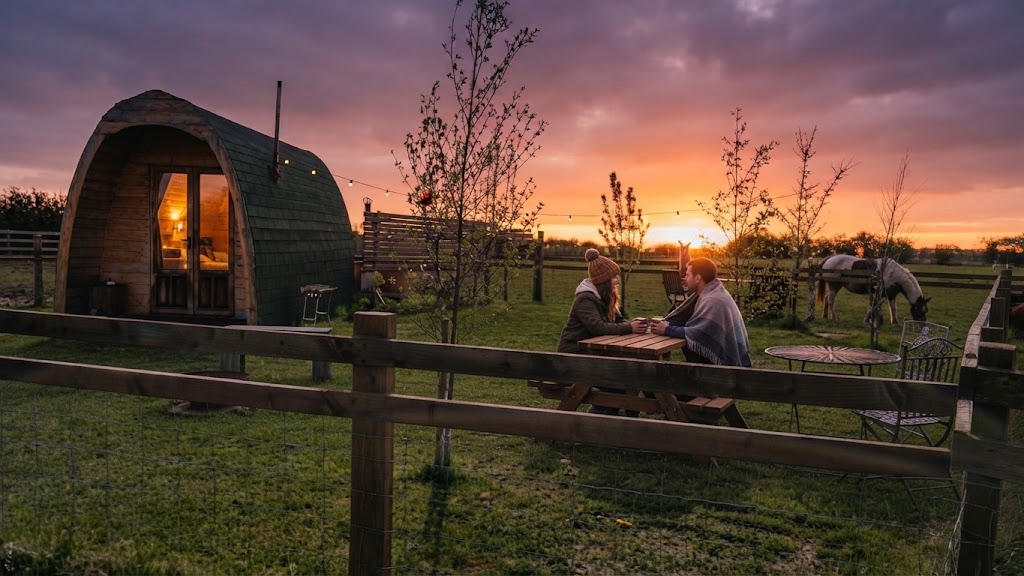
North Wales & Eryri
The densest glamping region in the country. Conwy Valley, Bala, Llŷn and the mountains.
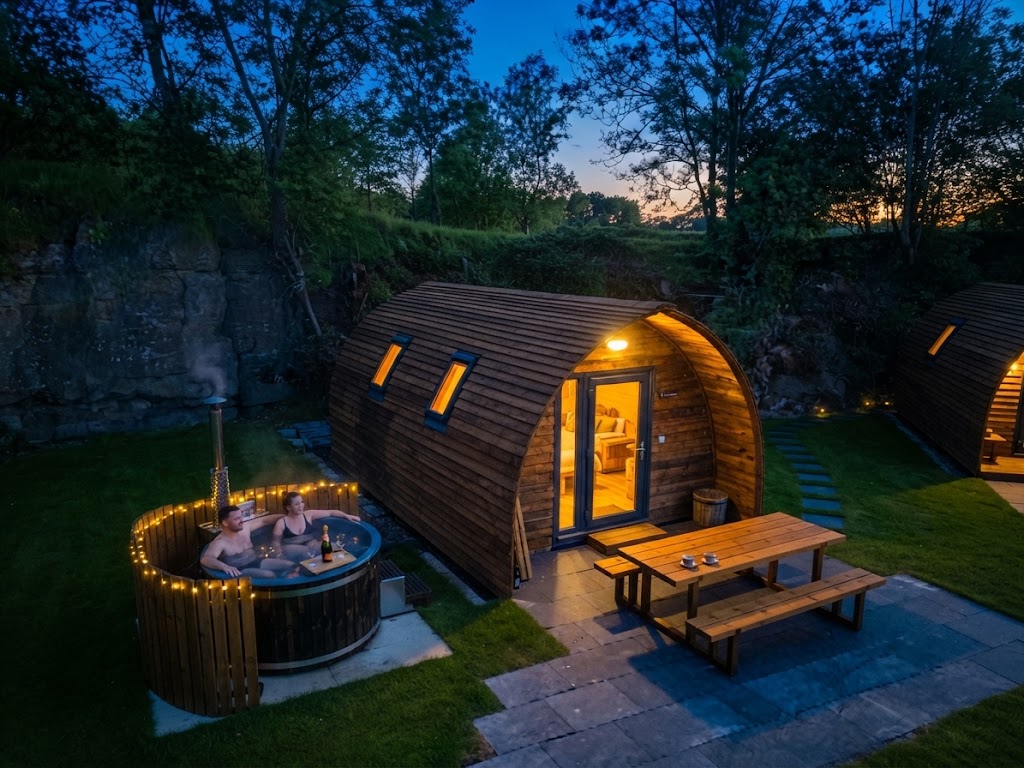
Hot tub glamping
Private versus shared, wood-fired versus electric, and how not to book the wrong one.
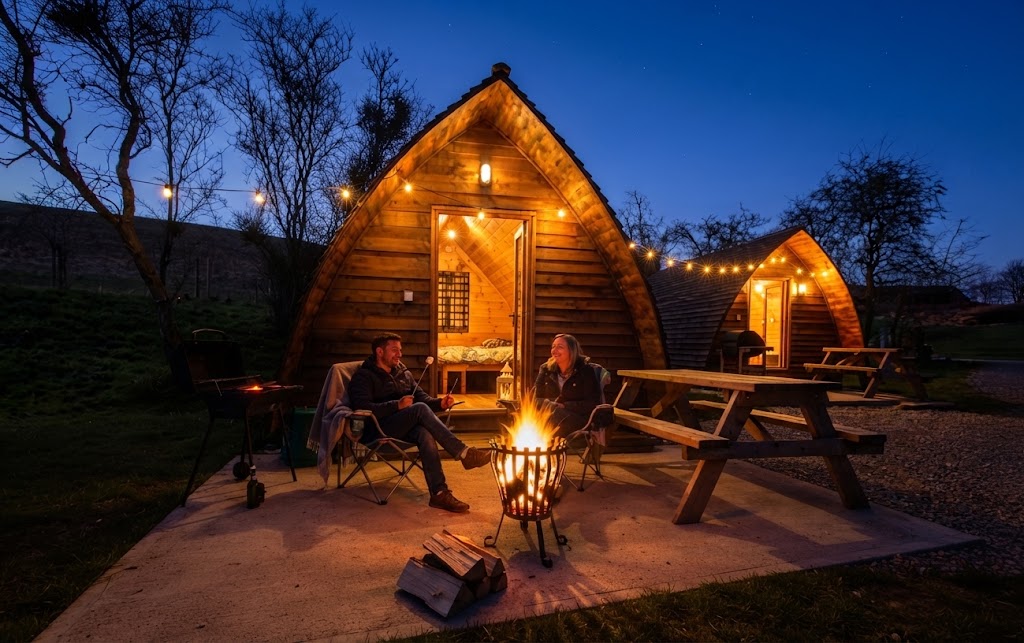
South Wales & the Beacons
Dark skies, waterfalls and the shortest drive from England's south west.
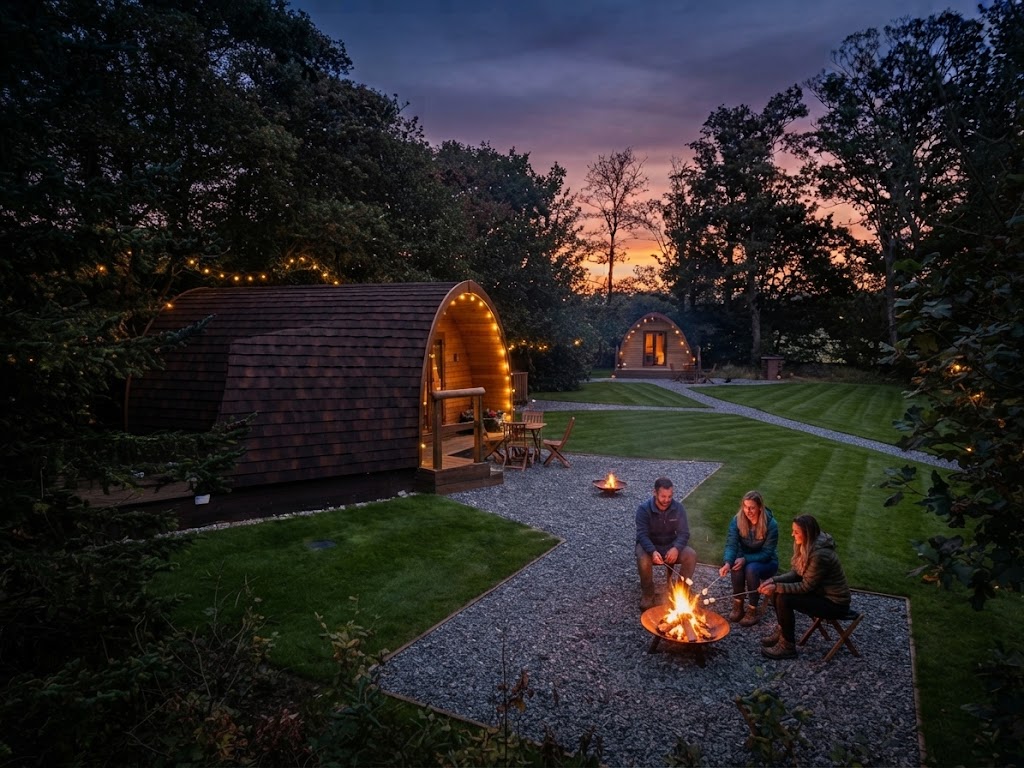
Pembrokeshire & the coast
Britain's only coastal national park. Puffins, coasteering and sites that sell out in February.
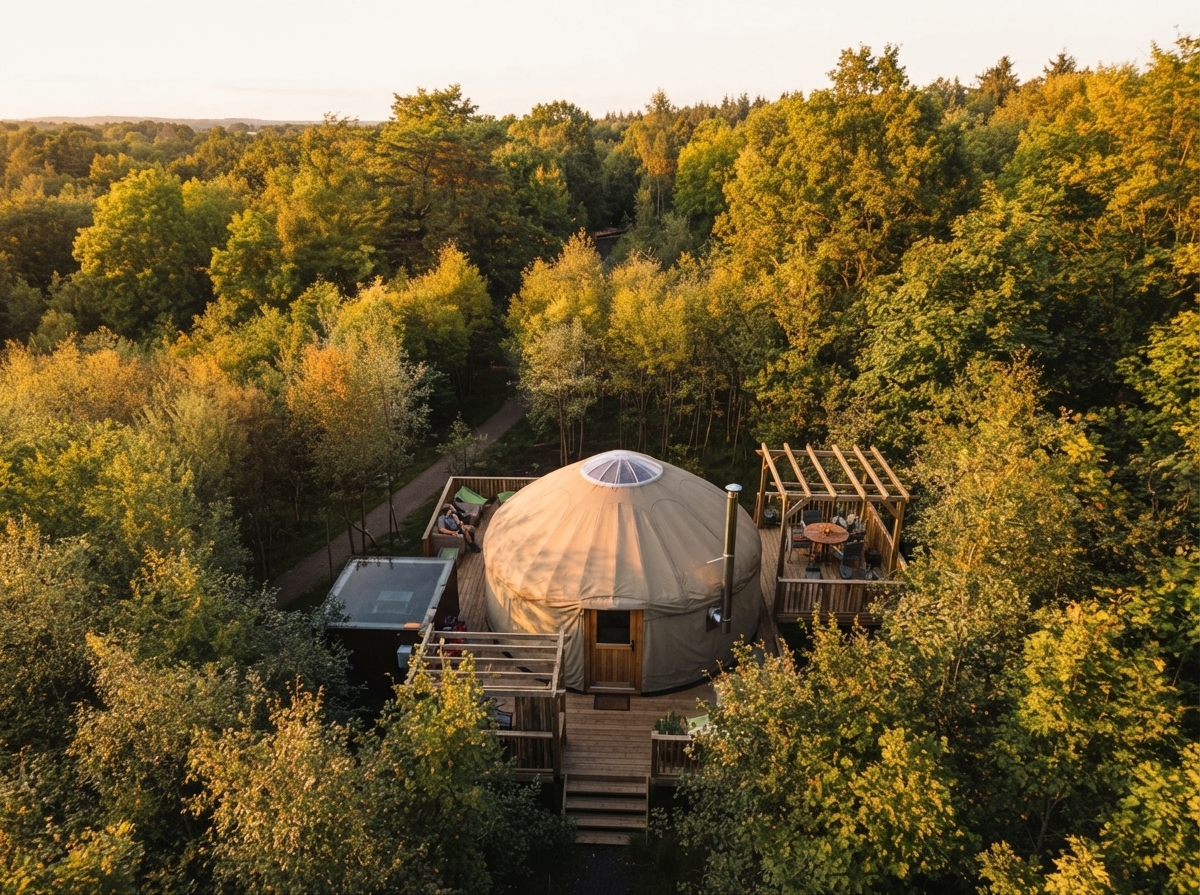
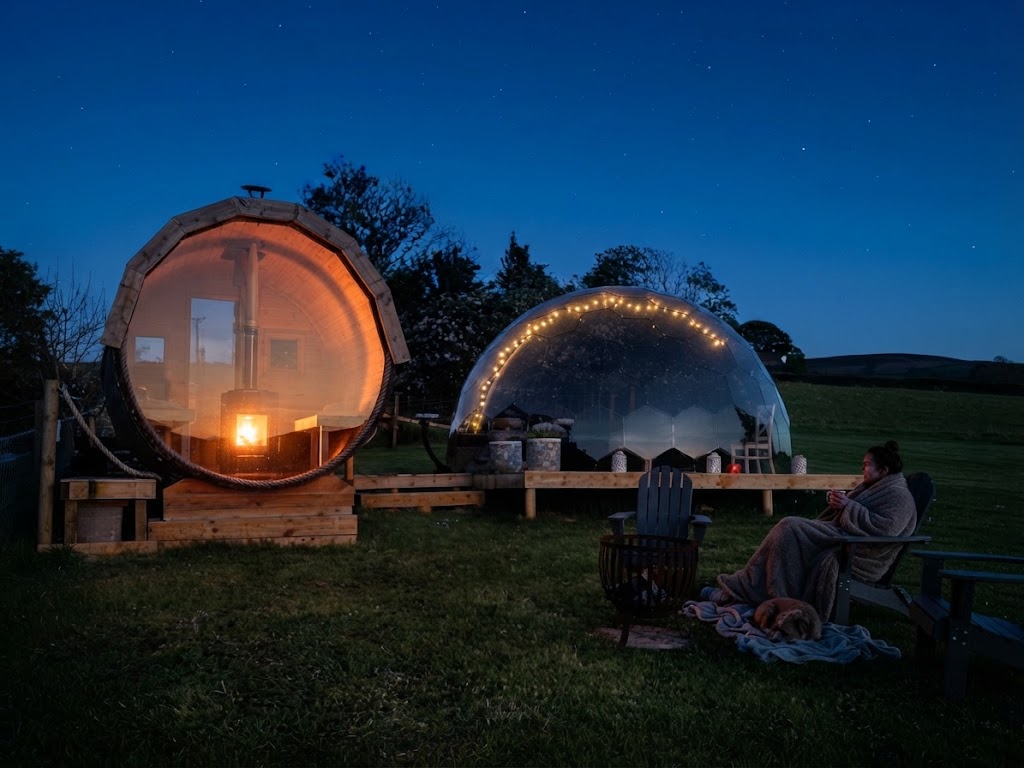
Pods, yurts & unusual stays
The formats explained — pods, camping pods, yurts, safari tents and the hobbit house.
What this guide is
Glamping Guide is an independent editorial site about glamping in Wales. We don't take bookings, we don't own any sites, and nobody pays to appear here. What you get instead is the stuff booking platforms don't tell you — which regions actually suit which trip, what a hot tub listing really means, and when to book so you're not paying August rates for a wet Tuesday.
Wales packs three national parks, five Areas of Outstanding Natural Beauty and 870 miles of continuous coast path into a country you can drive across in three hours. There are somewhere around four hundred glamping operations in it. This guide covers twenty-six of the questions people actually search for, region by region and format by format.
Start with the region
Region is the first decision and it eliminates more of the market than anything else. Everything after that — pod or yurt, hot tub or not, dog or no dog — is a filter on a much shorter list.
| Region | What it's for | Typical rate | Book by |
|---|---|---|---|
| North Wales & Eryri | Mountains, castles, most choice of sites | £110–£175 | February |
| Snowdonia (Eryri) | Serious walking, Zip World, dramatic scenery | £120–£200 | January |
| Anglesey | Beaches, mild weather, flat cycling | £120–£210 | March |
| South Wales & the Beacons | Dark skies, waterfalls, easiest from England | £90–£160 | April |
| Pembrokeshire | The best beaches and coast path in Wales | £130–£250 | January |
| Gower Peninsula | Britain's first AONB, small sites, big beaches | £140–£240 | February |
| Mid Wales & Ceredigion | Dark skies, emptiness, lowest prices | £85–£165 | Six weeks |
Then pick the format
- Glamping pods — insulated timber, year round, £95–£175. The default, and the right answer most of the time.
- Camping pods — the budget version. £55–£100, usually a shared shower block, bedding often extra.
- Yurts — canvas, wood burner, April to October, £110–£200. Atmospheric and slightly rough at the edges.
- Safari tents and unusual stays — the family format, plus treehouses, hobbit houses and a converted bus.
- Luxury cabins and shepherd's huts — £190–£320, and worth it on stays longer than two nights.
- Anything with a hot tub — add roughly £55 a night, and check the word "private" means what you think it means.
Six things worth knowing before you book
- The bathroom decides the stay. Ensuite beats private-but-separate beats a walk across a wet field. It's the first thing to filter on and listings sometimes bury it.
- "Hot tub" can mean a shared tub on a booking sheet. Ask explicitly whether it's exclusive to your unit for the whole stay.
- Welsh school holidays don't match English ones. There are usually a few days each May and October where one is back and the other isn't. Rates dip.
- Canvas closes in winter. Yurts, bell tents and safari tents mostly shut from November to March. Pods and cabins don't.
- Many Welsh beaches ban dogs from May to September. This catches people out constantly. The dog page has the list.
- Booking direct usually saves 8–12%. Use the platforms to find the site, then email the owner.
Every guide on this site
Glamping in Wales
North Wales
Hot Tub Glamping
South Wales
Pembrokeshire & Tenby
Snowdonia
Anglesey
Pods
Yurts & Unusual Stays
Dog Friendly, Luxury & Cheap
Site Reviews
- Black Sheep Glamping, Swansea
- Let's Glamp Retro, Wales
- Away From It All Glamping in North Wales
- Brynteg Glamping, Anglesey
How we write this
Each page here is built from search intent rather than from a press release — we look at what people are actually asking about a topic, then write the answer. Prices are indicative ranges based on published rates across multiple sites and they move with the season, so treat them as a planning figure rather than a quote. Where we mention a specific site, we're describing what it offers publicly; we haven't stayed at all of them and we say so rather than pretending otherwise.
We link out to national park authorities, Natural Resources Wales, Visit Wales and the main booking platforms where they're the best source. Those links are unpaid.
Frequently asked questions
What is the best area in Wales for glamping?
North Wales and Eryri for mountains and the widest choice of sites. Pembrokeshire or Anglesey for beaches. Mid Wales and the Brecon Beacons for dark skies and the lowest prices. The Gower Peninsula if you want beaches with the shortest drive from the M4.
How much does glamping in Wales cost?
£55–£100 for a basic camping pod, £95–£175 for a glamping pod, £110–£200 for a yurt, £170–£260 for a safari tent, and £190–£320 for a luxury cabin with a private hot tub. Season swings prices by 60–70%.
When should I book glamping in Wales?
January or February for July and August, especially in Pembrokeshire, Gower and Eryri where supply is limited by national park planning. Six to eight weeks is usually enough for shoulder season, and midweek off-season is often available a fortnight out.
Can you go glamping in Wales in winter?
In pods, cabins and shepherd's huts, yes — many stay open year round and hot tubs are at their best in cold air. Canvas accommodation, meaning yurts, bell tents and safari tents, almost all closes from November to March.
Is glamping in Wales dog friendly?
Most sites accept dogs in designated units for £10–£15 per stay. The complication is beaches: many Welsh beaches ban dogs between 1 May and 30 September, so check the local council's rules before you commit to a region.