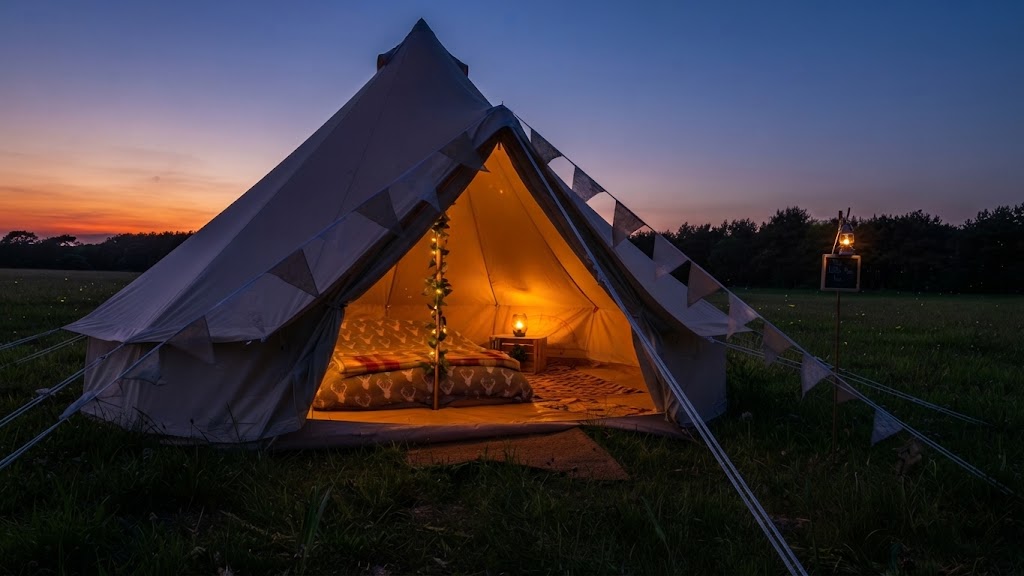
A Welsh yurt is canvas over a lattice frame with a wood burner and a real bed — atmospheric, seasonal (April to October), and £110–£200 a night. Mid Wales has the darkest skies and lowest prices, North Wales the mountains, South Wales the access. Wood burner and a proper floor are the two things to check. Book May and September for the best balance of weather and price.
Introduction to Yurt Stays in Wales
What is a Yurt and Why Choose Wales?
A yurt — ger in Mongolian — is a circular dwelling built from a collapsible wooden lattice wall, roof poles radiating to a central crown wheel, and felt or canvas stretched over the frame. Nomadic herders across the Central Asian steppe have used the design for at least three thousand years, and it's barely changed, because it works. It goes up in two hours, it survives serious wind, and a small stove heats it efficiently.
The wind resistance is the bit that matters in Wales. A round structure with a low profile and no flat faces gives a gale nothing to push against. Rectangular tents flap and fail; yurts sit there.
Why Wales for a yurt holiday: the landscape suits low-impact accommodation, planning authorities have been relatively receptive to temporary canvas structures compared to permanent buildings, and there's a well-established low-impact building culture here dating back to the 1970s. The Centre for Alternative Technology near Machynlleth has been going since 1973 and its influence on Welsh site owners is real.
The Appeal of Yurt Glamping Holidays
Glamping grew out of festival culture and safari lodges, and yurts were among the first units to make the jump. In Wales they've been available since the mid-2000s, which makes them one of the older formats here.
What's distinctive about a Welsh yurt stay:
- The wood burner — most Welsh yurts have one, which changes everything. You can be warm in April.
- The crown — a clear dome at the apex means lying in bed looking at the sky
- Round space — there's no corner to put things in, which forces a simplicity people find restful
- Acoustics — rain on canvas is either the best sound in the world or an unbearable one. You'll find out.
Yurt sites in Wales sit across all regions but concentrate in mid Wales, the Brecon Beacons fringe, Ceredigion and Pembrokeshire, with a scatter in the north.
Regional Yurt Locations in Wales
Yurt Stays in North Wales
North Wales has fewer yurts than the rest of the country, and the reason is weather — the mountains get four metres of rain a year in places and canvas struggles. Sites that do run yurts tend to be in sheltered valleys or on Anglesey, which sits in the rain shadow.
Where to look: the Conwy Valley, the Llŷn Peninsula, Anglesey's east coast, and around Bala. Attractions need no introduction — Eryri, four UNESCO castles, the narrow gauge railways, Bodnant Garden, and beaches on three sides.
The northern yurt experience pairs canvas with serious mountains, which is a good combination if you're walking. Come back wet, light the burner, dry out. Full regional context on the North Wales page.
Yurt Stays in South Wales
South Wales has the largest concentration of yurt sites, clustered around the Brecon Beacons, the Usk Valley, the Wye and inland Carmarthenshire. Access is the driver — you're an hour from Bristol, ninety minutes from Birmingham.
Cultural and historical draws within reach: Tintern Abbey, Raglan and Caerphilly castles, Big Pit at Blaenavon, St Fagans, Hay-on-Wye and its thirty bookshops, and Cardiff. Add the Brecon Beacons for walking and Waterfall Country for the falls.
Transport is the best in Wales. M4 along the south, A465 Heads of the Valleys road inland, and rail to Abergavenny, Merthyr and Cardiff. Several southern yurt sites are reachable by train and taxi. More at our South Wales guide.
Yurt Stays in Mid Wales
Mid Wales is where yurts belong. Powys and Ceredigion are the emptiest counties in Wales — Powys has around 26 people per square kilometre — and the combination of space, silence and dark sky is what canvas accommodation is for.
The dark skies are exceptional. The Elan Valley is an International Dark Sky Park and parts of the Cambrian Mountains reach Bortle Class 2, among the darkest measured in Europe. Lying in a yurt looking up through the crown dome at an unpolluted sky is the single best argument for the format.
Local events worth timing around: the Royal Welsh Show at Builth Wells in July, Hay Festival in late May, the Machynlleth Comedy Festival, and Llanwrtyd Wells's collection of deliberately absurd events including bog snorkelling and Man versus Horse.
Comparing Yurt Accommodations Across Wales
Differences in Yurt Accommodations
| Size | Diameter | Sleeps | Typical rate |
|---|---|---|---|
| Small | 4–5m | 2 | £100–£140 |
| Standard | 5–6m | 2–4 | £120–£175 |
| Large | 6–7m | 4–6 | £160–£220 |
| Luxury / lined | 6m+ | 2–4 | £180–£260 |
Style varies as much as size. Some Welsh yurts are authentically Mongolian — imported frames, painted orange and blue lattice, felt lining. Others are British-made canvas on ash or chestnut frames, plainer inside. Both work; the imported ones look better in photographs and the British ones tend to be better built for wet climates.
What separates a £120 yurt from a £220 one: a solid insulated floor rather than a platform over grass, a good wood burner rather than a token one, real beds rather than futons, electric light, and either an ensuite arrangement or a private facility rather than a shared block.
Amenities Offered in Welsh Yurts
Common across almost all Welsh yurts:
- Wood burner with a flue, plus a starter bundle of logs
- Real double bed, bedding included at most sites
- Wooden floor with rugs
- Crown skylight, usually clear
- Outdoor fire pit and seating
- Some form of cooking — a camp kitchen, a gas ring, or a shared kitchen building
Eco-specific features that show up frequently: compost toilets, solar showers, solar lighting, rainwater harvesting, and locally coppiced firewood. Many Welsh yurt sites are off-grid by design rather than by accident.
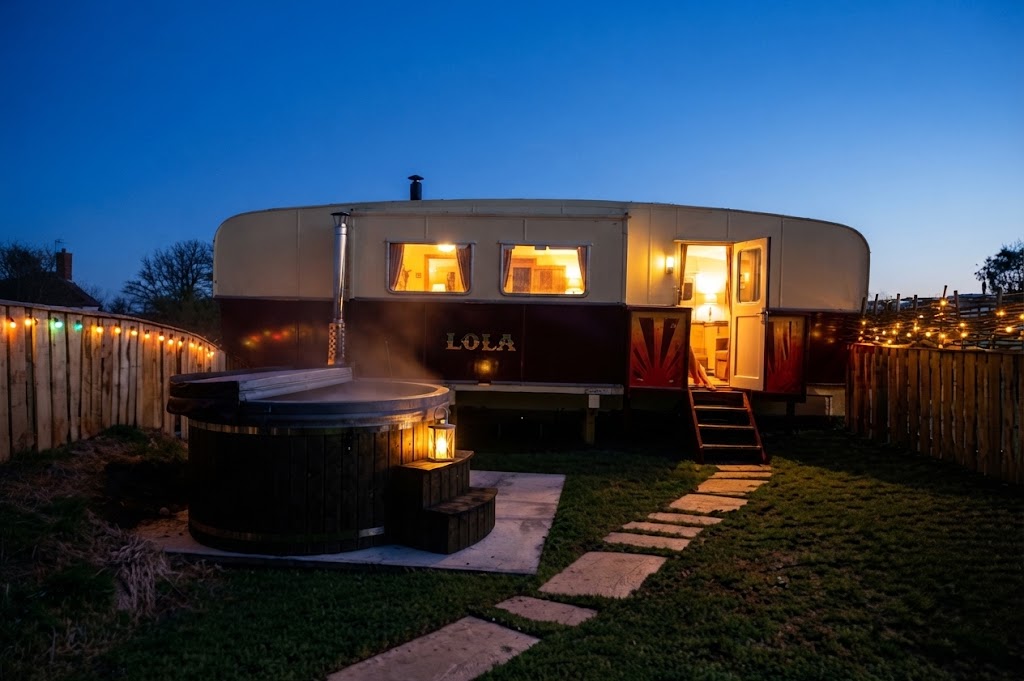
Luxury features at the top end: proper ensuite bathrooms in an adjacent structure, wood-fired hot tubs, king beds, sheepskins, and a properly equipped private kitchen area. A few sites offer hampers or breakfast delivery.
Planning Your Yurt Holiday in Wales
Unique Yurt Experiences in Wales
Things Welsh yurt sites offer that hotels don't:
- Fire-based cooking — several sites run campfire cookery, pizza ovens or communal fire kitchens
- Foraging walks — coastal and woodland, common in Pembrokeshire and Ceredigion
- Wild swimming — river pools in the Beacons, sea swimming on the coast. Several sites have a swimming spot on site.
- Stargazing sessions — mid Wales sites often have telescopes and someone who knows how to use them
- Welsh language and culture — in Ceredigion and Gwynedd you're in a Welsh-speaking area. A few words go a long way.
Seasonal events: the National Eisteddfod moves annually and is the largest cultural festival in Europe of its kind. Calan Gaeaf and Calan Mai — Welsh Halloween and May Day — get marked at some rural sites. Sheepdog trials, county shows and village fetes all summer.
Planning a Yurt Holiday Itinerary
A five-night mid Wales yurt trip:
- Day 1 — arrive, learn the burner, shop in Rhayader or Builth, fire pit
- Day 2 — Elan Valley. Six reservoirs, Victorian dams, red kites. Take a picnic and a whole day.
- Day 3 — Cambrian Mountains walking, or the Devil's Bridge falls and the Vale of Rheidol railway
- Day 4 — the coast. Aberaeron for the harbour and honey ice cream, New Quay for dolphins, Llangrannog for the beach.
- Day 5 — Hay-on-Wye and the bookshops, or Machynlleth and the Centre for Alternative Technology
Logistics: mid Wales driving is slow and beautiful. Shops are sparse — Rhayader, Builth Wells, Llandrindod and Lampeter are your options. Phone signal is bad and that's most of the point.
Practical Information for Yurt Stays
Availability and Pricing for Yurt Stays
Yurt availability is season-limited, which concentrates demand. Most Welsh yurt sites open in late March or April and close in October, so the whole year's business happens in seven months.
- Book by February for July and August weekends
- April, May, September, October — usually available six weeks out
- Prices — £100–£140 shoulder, £140–£220 peak, luxury units up to £260
- Minimum stays — two nights standard, three over bank holidays
Deals: sites often discount their first and last fortnight of the season by 25–35%. Late March and mid October yurt stays are excellent value if you don't mind lighting the burner properly.
Best Time to Visit for a Yurt Holiday
The honest ranking:
- September — warm ground, settled weather, no crowds, sites still fully open. Best month.
- May — often the driest month in Wales, bluebells, lambs, long evenings
- June — longest days, good weather, before the school holidays
- July–August — warmest but busiest and dearest, and canvas gets hot in a heatwave
- April and October — cheapest, atmospheric, and you'll be using that burner constantly
Weather planning: bring more layers than you think, waterproof boots, and a torch. Canvas holds heat when the burner's lit and loses it fast when it isn't, so expect to wake up cold and relight. That's part of it.
Off-peak booking is genuinely better value. A yurt in late September at £120 is the same yurt that costs £190 in the second week of August, and September has better weather more often than people believe.
Frequently asked questions
How much does a yurt stay in Wales cost?
£100–£140 a night in shoulder season, £140–£220 at peak, and up to £260 for luxury lined yurts with private facilities. Most sites have a two-night minimum, three over bank holidays.
Are yurts warm in Wales?
With the wood burner lit, very — a small stove heats a 5m yurt quickly. Without it, canvas loses heat fast overnight. Expect to relight in the morning and bring warmer bedding than you would for a pod.
When are yurt sites in Wales open?
Typically late March or April through to October. Canvas accommodation doesn't handle Welsh winter gales, so almost all yurt sites close from November to March. If you want a winter stay, book a pod or cabin.
Do Welsh yurts have bathrooms?
Rarely inside the yurt itself. Most have a shared shower block or a private facility in an adjacent structure, and eco sites often use compost toilets and solar showers. Check exactly what's provided before booking.